
5 People You Can Forgive but Should Never Reconcile With
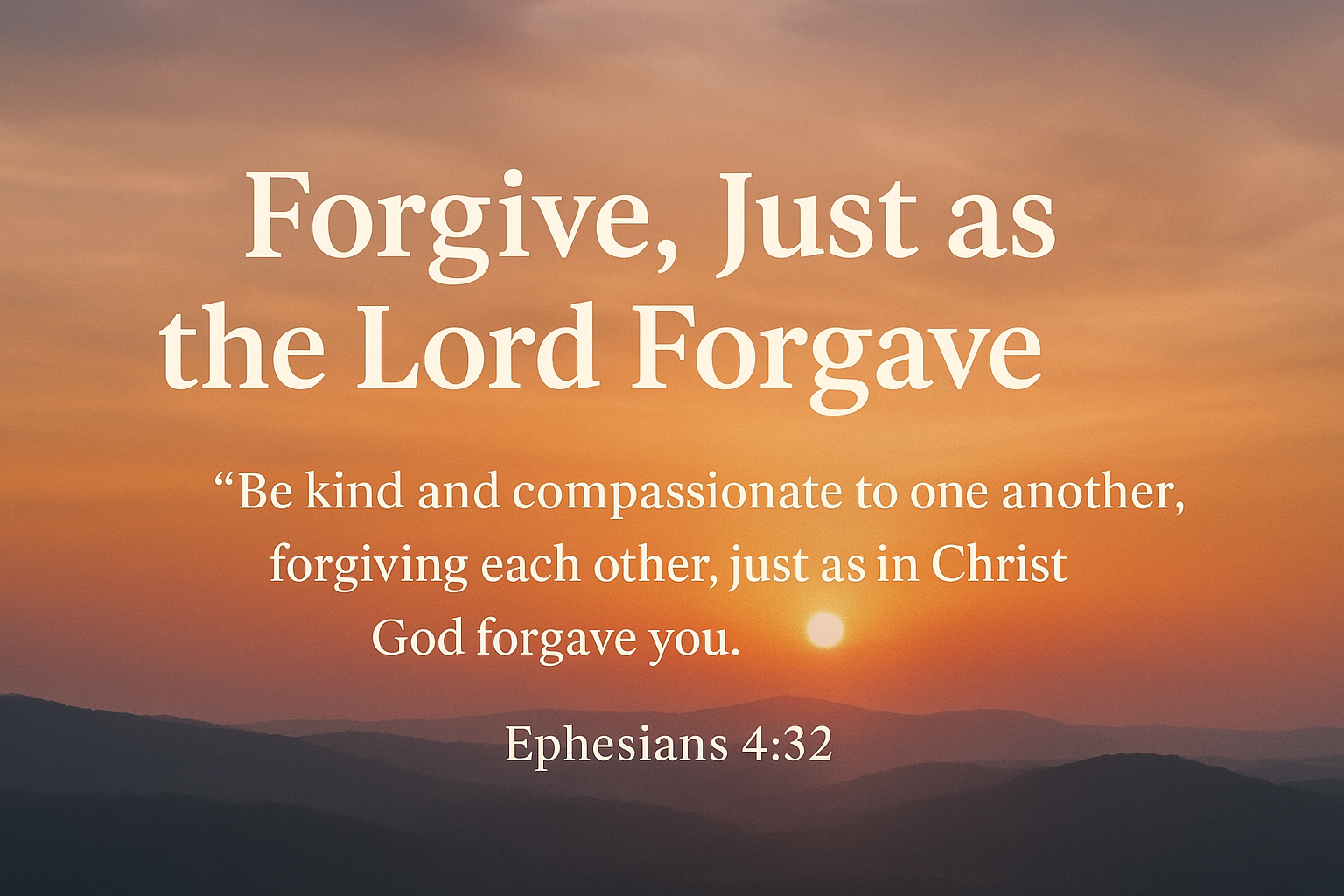
Guarding Your Heart While Walking in Grace
One of the most misunderstood concepts in Christian circles is the difference between forgiveness and reconciliation. Many believers struggle with guilt, thinking that forgiving someone means they must restore the relationship to its previous state. However, Scripture reveals a profound truth: forgiveness is always required by God, but reconciliation is not always possible or wise.
Jesus himself demonstrated this principle throughout his ministry. He forgave those who crucified him, yet he didn’t seek to maintain close relationships with everyone. As we explore this challenging topic, remember that protecting yourself while walking in forgiveness isn’t selfish—it’s biblical wisdom.
“Above all else, guard your heart, for everything you do flows from it.” – Proverbs 4:23
Understanding the Biblical Difference
Forgiveness is a unilateral act—a decision you make in your heart to release resentment, anger, and the desire for revenge. It’s for your benefit as much as theirs, freeing you from the prison of bitterness.
Reconciliation, however, is a bilateral process that requires genuine repentance, changed behavior, and the rebuilding of trust. It’s not automatic and isn’t always safe or appropriate.
The Gospel Coalition explains it beautifully: “Forgiveness is always required by God, but it does not always lead to reconciliation.”
Jesus: Our Model for Boundaries
Before we explore the types of people to maintain distance from, let’s remember that Jesus himself set clear boundaries:
- He withdrew from crowds to pray alone (Luke 5:16)
- He refused to be controlled by others’ agendas (John 2:3-4)
- He spoke truth even when it offended people (Matthew 23:1-36)
- He protected his mission and didn’t cast pearls before swine (Matthew 7:6)
Setting boundaries isn’t unloving—it’s following Christ’s example of wise stewardship of our hearts, time, and energy.
5 Types of People You Can Forgive But Should Never Reconcile With
1. The Unrepentant Abuser
Biblical Foundation: “But mark this: There will be terrible times in the last days. People will be lovers of themselves, lovers of money, boastful, proud, abusive, disobedient to their parents, ungrateful, unholy, without love, unforgiving, slanderous, without self-control, brutal, not lovers of the good, treacherous, rash, conceited, lovers of pleasure rather than lovers of God—having a form of godliness but denying its power. Have nothing to do with them.” – 2 Timothy 3:1-5
Characteristics:
- Refuses to acknowledge the harm they’ve caused
- Shows no genuine remorse or changed behavior
- Continues patterns of physical, emotional, or spiritual abuse
- Blames others for their actions
- Uses manipulation or guilt to maintain control
Why No Reconciliation:
Reconciliation without repentance enables continued abuse and puts you in danger. God never calls us to return to harm’s way. Even Jesus withdrew from those who sought to hurt him (Luke 4:28-30).
How to Forgive Without Reconciling:
- Release your anger and desire for revenge to God
- Pray for their salvation and healing from a safe distance
- Refuse to let bitterness take root in your heart
- Maintain firm boundaries for your protection
“Do not give dogs what is sacred; do not throw your pearls to pigs. If you do, they may trample them under their feet, and turn and tear you to pieces.” – Matthew 7:6
2. The Chronic Manipulator
Biblical Foundation: “But among you there must not be even a hint of sexual immorality, or of any kind of impurity, or of greed, because these are improper for God’s holy people. Nor should there be obscenity, foolish talk or coarse joking, which are out of place, but rather thanksgiving. For of this you can be sure: No immoral, impure or greedy person—such a person is an idolater—has any inheritance in the kingdom of Christ and of God. Let no one deceive you with empty words, for because of such things God’s wrath comes on those who are disobedient.” – Ephesians 5:3-6
Characteristics:
- Uses guilt, shame, or fear to control others
- Twists scripture or spiritual concepts for personal gain
- Creates drama to maintain attention and control
- Never takes genuine responsibility for their actions
- Exploits your compassion and forgiveness repeatedly
Why No Reconciliation:
Manipulators view forgiveness as permission to continue their harmful behavior. They interpret grace as weakness and will escalate their manipulation when they know you’ll forgive them.
Protecting Yourself:
- Set clear, consistent boundaries and enforce them
- Don’t engage in arguments or defend yourself constantly
- Document patterns of manipulation
- Seek support from wise counselors who understand manipulation tactics
“I am sending you out like sheep among wolves. Therefore be as shrewd as snakes and as innocent as doves.” – Matthew 10:16
3. The Persistent Boundary Violator
Biblical Foundation: “If your brother or sister sins, go and point out their fault, just between the two of you. If they listen to you, you have won them over. But if they will not listen, take one or two others along, so that ‘every matter may be established by the testimony of two or three witnesses.’ If they still refuse to listen, tell it to the church; and if they refuse to listen even to the church, treat them as you would a pagan or a tax collector.” – Matthew 18:15-17
Characteristics:
- Repeatedly ignores your clearly stated boundaries
- Acts as if your “no” doesn’t matter
- Pushes back when you try to protect yourself
- Makes you feel guilty for having boundaries
- Refuses to respect your time, space, or decisions
Why No Reconciliation:
Someone who consistently violates boundaries shows they don’t respect you as a person. Healthy relationships require mutual respect, which includes honoring each other’s boundaries.
Biblical Response:
- Follow Matthew 18 principles for addressing sin
- Be clear and consistent with consequences
- Don’t compromise your boundaries to avoid conflict
- Remember that boundaries are loving to both parties
“Be very careful, then, how you live—not as unwise but as wise, making the most of every opportunity, because the days are evil.” – Ephesians 5:15-16
4. The Toxic Family Member
Biblical Foundation: “Do not be yoked together with unbelievers. For what do righteousness and wickedness have in common? Or what fellowship can light have with darkness?” – 2 Corinthians 6:14
“If anyone comes to me and does not hate father and mother, wife and children, brothers and sisters—yes, even their own life—such a person cannot be my disciple.” – Luke 14:26
Characteristics:
- Uses family obligation to manipulate and control
- Refuses to acknowledge toxic patterns from the past
- Continues destructive behaviors despite their impact on family
- Weaponizes family relationships against you
- Makes family gatherings toxic or unsafe
Why No Reconciliation:
While we’re called to honor our parents and love our families, this doesn’t mean accepting abuse or toxicity. Jesus himself made it clear that our allegiance to him comes before family loyalty when there’s a conflict.
Balancing Honor and Protection:
- You can honor parents without subjecting yourself to abuse
- Love from a distance when necessary
- Set boundaries around contact and communication
- Don’t feel guilty for protecting your mental and spiritual health
“Anyone who loves their father or mother more than me is not worthy of me; anyone who loves their son or daughter more than me is not worthy of me.” – Matthew 10:37
5. The False Teacher or Spiritual Abuser
Biblical Foundation: “But there were also false prophets among the people, just as there will be false teachers among you. They will secretly introduce destructive heresies, even denying the sovereign Lord who bought them—bringing swift destruction on themselves. Many will follow their depraved conduct and will bring the way of truth into disrepute. In their greed these teachers will exploit you with fabricated stories.” – 2 Peter 2:1-3
Characteristics:
- Uses spiritual authority to control and manipulate
- Twists scripture to justify harmful behavior
- Demands unquestioning obedience and submission
- Creates fear about questioning their teaching or authority
- Exploits people financially, emotionally, or sexually
Why No Reconciliation:
False teachers and spiritual abusers cause immense damage to people’s faith and relationship with God. Maintaining relationship with them puts your spiritual health at risk and may enable them to harm others.
Biblical Protection:
- Test all teaching against Scripture
- Don’t submit to authority that contradicts God’s Word
- Warn others about false teaching when appropriate
- Find healthy spiritual community and leadership
“Dear friends, do not believe every spirit, but test the spirits to see whether they are from God, because many false prophets have gone out into the world.” – 1 John 4:1
The Heart of Biblical Forgiveness
Forgiving these types of people doesn’t mean:
- Pretending the hurt never happened
- Returning to relationship with them
- Trusting them with your heart again
- Enabling their continued harmful behavior
- Feeling guilty for protecting yourself
Forgiveness does mean:
- Releasing your right to revenge
- Praying for their genuine repentance and salvation
- Not allowing bitterness to poison your heart
- Trusting God to deal with them justly
- Moving forward in freedom and peace
Practical Steps for Forgiving Without Reconciling
1. Process Your Emotions Honestly
- Acknowledge the full extent of the hurt
- Allow yourself to grieve the loss of the relationship
- Don’t rush the forgiveness process
- Seek counseling if needed to work through trauma
2. Set Clear, Firm Boundaries
- Decide what contact, if any, is appropriate
- Communicate boundaries clearly and simply
- Don’t justify or defend your boundaries excessively
- Be prepared to enforce consequences
3. Focus on Your Own Healing
- Invest in healthy relationships that build you up
- Engage in activities that restore your soul
- Practice spiritual disciplines like prayer and scripture reading
- Don’t let their toxicity continue to define your life
4. Trust God’s Justice
- Remember that God sees all and will deal with them justly
- Don’t take revenge into your own hands
- Pray for their repentance and salvation
- Trust that God will work all things together for good
5. Use Your Experience to Help Others
- Share your story when appropriate to help others
- Support others who are dealing with similar people
- Don’t let your experience make you cynical or bitter
- Allow God to use your pain for his purposes
The Freedom of Biblical Boundaries
Boundaries.Me reminds us: “While forgiveness can be given freely, reconciliation is earned through actions that rebuild trust.”
Setting boundaries with these types of people isn’t unforgiving—it’s wise stewardship of the heart God has given you. You can love people, pray for them, and wish them well while maintaining appropriate distance for your safety and spiritual health.
Remember, even God has boundaries. He offers forgiveness freely, but he doesn’t force relationship on anyone. He allows people to experience the consequences of their choices while remaining loving and just.
Walking in Wisdom and Grace
As you navigate these difficult relationships, remember that you’re not responsible for changing anyone else—that’s God’s job. Your responsibility is to guard your heart, maintain healthy boundaries, and continue growing in your relationship with Christ.
“The simple believe anything, but the prudent give thought to their steps.” – Proverbs 14:15
You can forgive fully while maintaining appropriate distance. You can love people without subjecting yourself to their toxicity. You can walk in grace while also walking in wisdom.
The goal isn’t to harbor bitterness or seek revenge—it’s to protect the heart God has entrusted to you so you can continue serving him effectively and loving others well.
Understanding the difference between forgiveness and reconciliation is liberating. It frees you from the guilt of thinking you must restore every relationship and allows you to forgive from a place of strength rather than naivety.
God calls us to be wise as serpents and innocent as doves. This means we forgive freely, love genuinely, and protect wisely. We don’t enable sin by ignoring boundaries, and we don’t allow others’ toxicity to diminish our ability to serve God and love others.
Your heart is precious to God. Guard it well, forgive freely, and trust him to work justice and redemption in his perfect timing.
“Therefore, if anyone is in Christ, the new creation has come: The old has gone, the new is here!” – 2 Corinthians 5:17
Explore Tools for Growth
Virtue Wheel
Understand your virtues and uncover areas for growth. Track your personal growth.
Explore Virtue WheelBible Challenge
Deepen your faith and apply biblical principles to your life with engaging daily challenges.
Take the Challenge