
Faith & Virtue: Stoicism for Christian Living
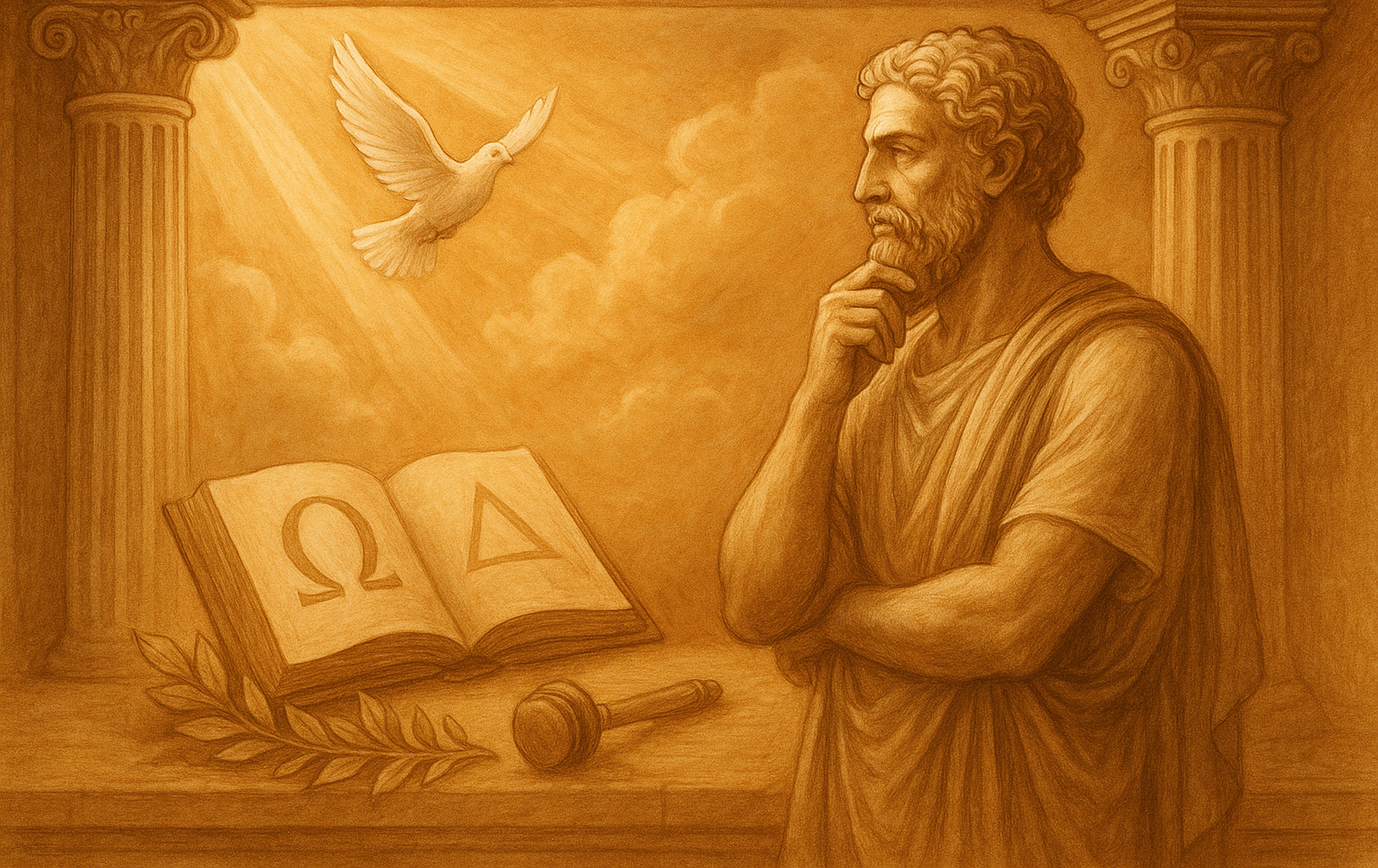
What is Stoicism?
Stoicism is an ancient Greek philosophy founded in Athens around 300 BCE by Zeno of Citium. Unlike many philosophical schools that focused on theoretical speculation, Stoicism was designed as a practical guide for living. The Stoics believed that the path to happiness (what they called eudaimonia) wasn’t found in external circumstances—wealth, status, or pleasure—but in developing an excellent character through virtue.
The philosophy was later refined and popularized by influential Roman thinkers like Seneca, Epictetus, and Marcus Aurelius. Today, Stoicism has experienced a remarkable renaissance, offering modern readers tools for resilience, emotional regulation, and purposeful living.
The Four Cardinal Virtues of Stoicism
Central to Stoic philosophy are the four cardinal virtues. These aren’t merely moral guidelines; they’re the foundation of human excellence and the only true good according to Stoic thought.
1. Wisdom (Sophia/Prudentia)
Wisdom is the ability to navigate complex situations with sound judgment and discernment. It involves:
- Understanding what is truly good, bad, or indifferent
- Distinguishing between what we can control and what we cannot
- Making decisions based on a reason rather than emotion
- Seeing situations clearly without distortion from fear or desire
For the Stoics, wisdom meant recognizing that virtue itself is the only true good, while external things like wealth or reputation are “indifferent”—they can be used well or poorly depending on our character.
2. Courage (Andreia/Fortitudo)
Courage isn’t merely physical bravery in the face of danger. Stoic courage encompasses:
- Enduring hardship without complaint
- Standing up for what’s right despite opposition
- Facing fears with rationality rather than being controlled by them
- Persevering through difficulties with determination
Marcus Aurelius, who ruled Rome during plague and warfare, exemplified this virtue by consistently doing his duty despite overwhelming challenges.
3. Justice (Dikaiosyne/Justitia)
Justice represents our relationship with others and society. It includes:
- Treating others fairly and with respect
- Contributing to the common good
- Recognizing our interconnectedness with humanity
- Acting with integrity and honoring our commitments
The Stoics believed we have a natural kinship with all rational beings, making justice not just a social contract but an expression of our shared humanity.
4. Temperance (Sophrosyne/Temperantia)
Temperance is the virtue of moderation and self-discipline. It involves:
- Exercising restraint over desires and impulses
- Maintaining emotional balance
- Avoiding excess in pleasure, food, drink, or material possessions
- Responding to situations with appropriate rather than excessive emotions
This doesn’t mean suppressing all emotions, but rather ensuring that reason guides our responses rather than being swept away by every feeling.
Virtues vs. Vices: The Stoic Dichotomy
The Stoics drew a sharp distinction between virtue and vice. While virtues represent excellence of character and lead to flourishing, vices are character flaws that lead to suffering and dysfunction.
Common vices opposed to the cardinal virtues include:
- Against Wisdom: Ignorance, poor judgment, self-deception
- Against Courage: Cowardice, recklessness, avoidance
- Against Justice: Selfishness, cruelty, dishonesty
- Against Temperance: Excess, addiction, lack of self-control
The Stoics believed that vices arise from false beliefs about what is truly good or bad. When we mistakenly believe that wealth, pleasure, or reputation are genuinely good (rather than merely “preferred indifferents”), we become enslaved to them and vulnerable to disappointment and anxiety.
Why Virtue is Sufficient for Happiness
One of the most radical Stoic claims is that virtue alone is sufficient for happiness. This doesn’t mean that losing loved ones or facing hardship won’t cause natural feelings of grief or distress. Rather, it means that a person of excellent character can maintain inner peace and dignity regardless of external circumstances.
Consider the example of Epictetus, who was born a slave and permanently disabled from abuse by his master. Despite these circumstances, he became one of the most influential philosophers of his era, teaching that true freedom comes from within through the cultivation of virtue.
Practical Applications for Modern Life
How can we apply Stoic virtues in our daily lives?
Cultivating Wisdom:
- Practice the dichotomy of control: focus your energy only on what you can influence
- Question your assumptions and beliefs regularly
- Seek understanding before judgment
- Learn from mistakes without harsh self-criticism
Developing Courage:
- Face uncomfortable tasks instead of avoiding them
- Speak up for your values even when it’s difficult
- Accept that discomfort is part of growth
- Reframe challenges as opportunities for character development
Practicing Justice:
- Consider how your actions affect others
- Contribute to your community in meaningful ways
- Practice empathy and try to understand different perspectives
- Keep your commitments and be reliable
Exercising Temperance:
- Practice delayed gratification
- Notice when emotions are influencing decisions and pause
- Establish healthy boundaries with technology, consumption, and work
- Cultivate contentment with what you have while working toward goals
The Stoic Path Forward
Stoicism isn’t about perfection—even Marcus Aurelius, one of history’s most celebrated Stoic practitioners, wrote his Meditations as personal reminders because he struggled with these principles. The Stoic path is one of continuous practice and improvement.
The virtues aren’t separate traits to be developed in isolation but interconnected aspects of excellent character. Wisdom guides our understanding of what courage, justice, and temperance require in each situation. Courage enables us to act justly even when it’s difficult. Temperance ensures our actions remain balanced and appropriate.
In a world that often emphasizes external success, material accumulation, and the pursuit of pleasure, Stoicism offers a different vision: that genuine fulfillment comes from becoming a person of excellent character, someone who can face whatever life brings with wisdom, courage, justice, and self-discipline.
The ancient Stoics understood what modern research in psychology and neuroscience is now confirming: that character development, meaningful relationships, and contributing to something larger than ourselves are the true sources of lasting happiness. By focusing on what we can control—our thoughts, judgments, and actions—and developing virtue in all we do, we can find tranquility and purpose regardless of external circumstances.
As Epictetus wisely advised, “Don’t explain your philosophy. Embody it.” The virtues aren’t meant to be merely understood intellectually but practiced daily, in small decisions and major life choices alike. Start where you are, practice one virtue at a time, and gradually build the character that will serve you through all of life’s challenges.
Explore Tools for Growth
Virtue Wheel
Understand your virtues and uncover areas for growth. Track your personal growth.
Explore Virtue WheelBible Challenge
Deepen your faith and apply biblical principles to your life with engaging daily challenges.
Take the ChallengeYou may also like



12 Effective Ways to Be More Empathetic in Relationships